


How to make different types of woodworking joints
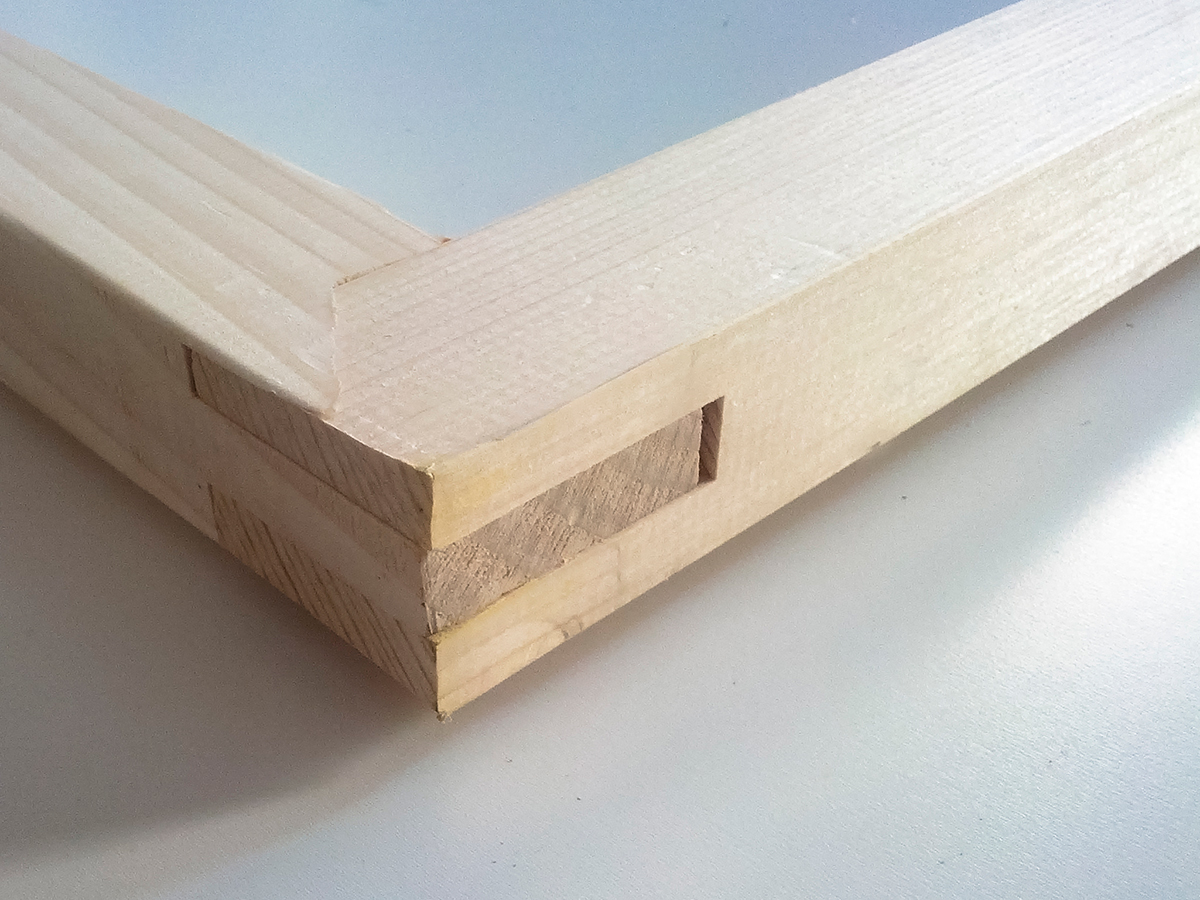
1. Mortise and Tenon Joint: The Mortise and Tenon joint is a classic joint that is commonly used in woodworking. To create this joint, you will need to cut a mortise (a rectangular hole) in one piece of wood and a corresponding tenon (a rectangular protrusion) on another piece of wood. The two pieces are then joined together by inserting the tenon into the mortise and securing it in place with glue and/or pegs.
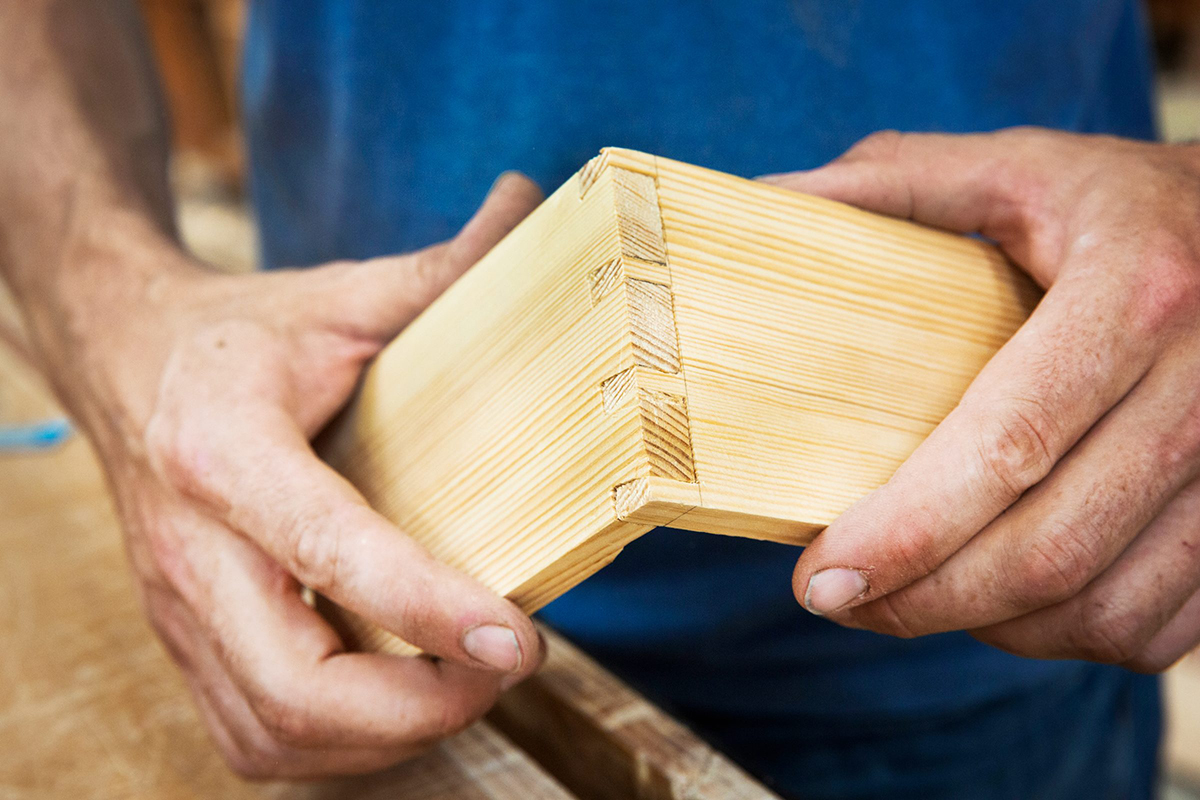
2. Dovetail Joint: The Dovetail joint is a strong and decorative joint that is commonly used in fine furniture and cabinetry. To create this joint, you will need to cut angled tails on one piece of wood and corresponding sockets on another piece of wood. The two pieces are then joined together by inserting the tails into the sockets and securing them in place with glue.
3. Pocket Hole Joint: The Pocket Hole joint is a simple and versatile joint that is commonly used in cabinetry and furniture construction. To create this joint, you will need to drill a pocket hole in one piece of wood and insert a screw through the hole and into the second piece of wood. The two pieces are then joined together and the screw is tightened to secure the joint.
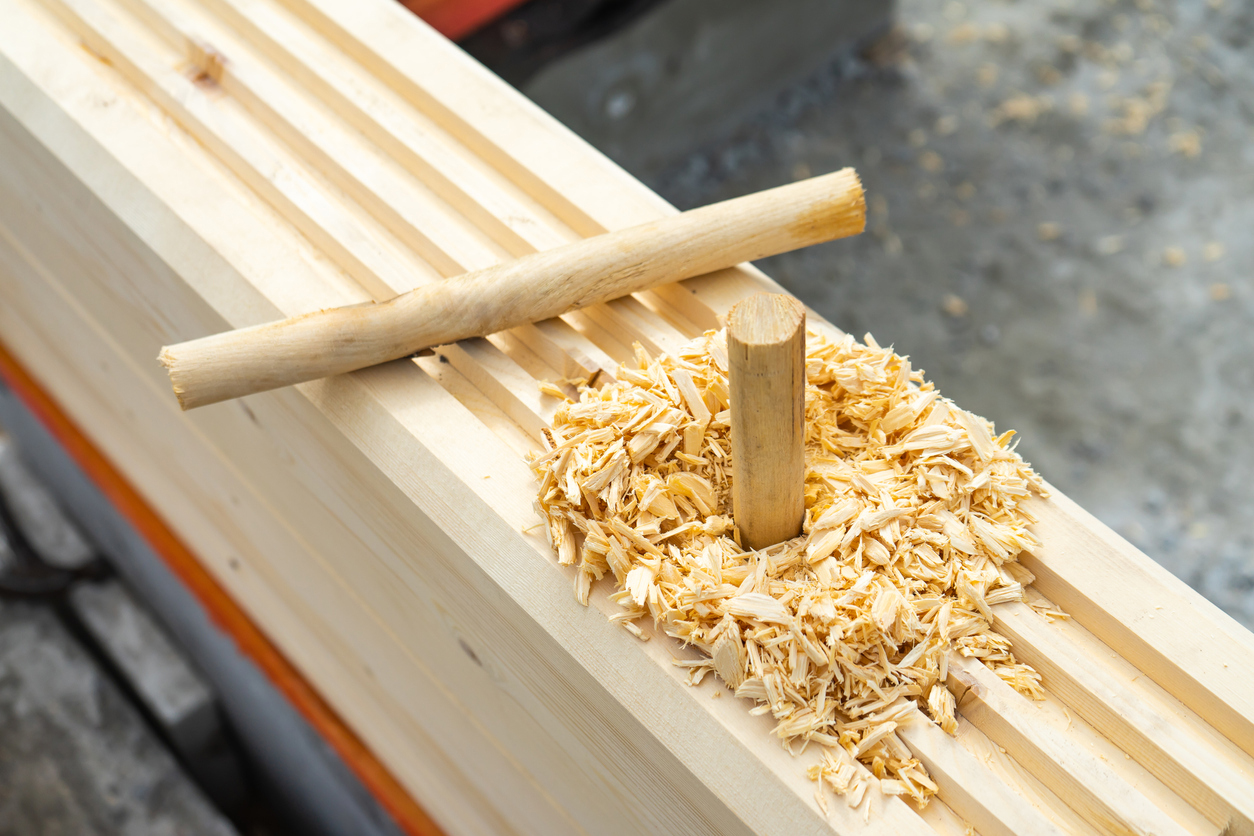
4. Dowel Joint: The Dowel joint is a simple joint that is commonly used in cabinetry and furniture construction. To create this joint, you will need to drill a hole in one piece of wood and insert a dowel (a round rod) into the hole. The second piece of wood is then drilled with a corresponding hole and the two pieces are joined together by inserting the dowel into the second hole and securing it in place with glue.
5. Biscuit Joint: The Biscuit joint is a simple joint that is commonly used in cabinetry and furniture construction. To create this joint, you will need to use a biscuit joiner to cut a slot in one piece of wood and insert a thin, oval-shaped biscuit into the slot. The second piece of wood is then cut with a corresponding slot and the two pieces are joined together by inserting the biscuit into the second slot and securing it in place with glue.
By following these steps, you can effectively make different types of woodworking joints. Each joint has its own strengths and weaknesses, so choose the one that is best suited for your project and make sure to follow proper safety precautions when using any type of tool.
Popular posts
How to Start Learning Woodworking as a Beginner
By WOODLIVE on Jan 5, 2022
What tools should a novice woodworker prepare first
By WOODLIVE on Aug 12, 2022
Woodworking Tools: From Basic to Advanced
By WOODLIVE on Feb 9, 2023
Learning Woodworking from Scratch: Beginner-Level...
By WOODLIVE on Jan 9, 2022
What projects should a novice carpenter start with
By WOODLIVE on Mar 16, 2022
Woodworking Basics: How to Use a Saw, Plane, and Drill
By WOODLIVE on Nov 18, 2022
About this blog
Welcome to our woodworking blog, where we aim to provide practical tips, advice and inspiration for woodworkers of all levels. Our team of experienced carpenters is dedicated to sharing their knowledge and passion for the craft.
Our blog is your ultimate resource for all things woodworking. Whether you're just starting out or have years of experience, we have something for you. Our articles are informative and accessible, designed to help you improve your skills and bring your projects to life.


This site is not part of the Facebook website or Facebook Inc. Additionally, this site is NOT endorsed by Facebook in any way. FACEBOOK is a trademark of FACEBOOK, Inc.
Copyright © 2022 WOODLIVE| All Rights Reserved.